
Symptoms, Risks, Treatment and Healing
Retinal detachment is a true eye emergency.
Retinal tears and holes are early warning signs.
Quick action can protect sight and slow further damage.
This guide explains the difference between a retinal tear and a retinal detachment, common symptoms, risk factors, treatments and what healing usually looks like.
This article is for general information only. Retinal symptoms always need same-day assessment by an eye care professional.
Explore: The Best Healthcare SEO Agencies for Doctors in 2026
What Is the Retina?
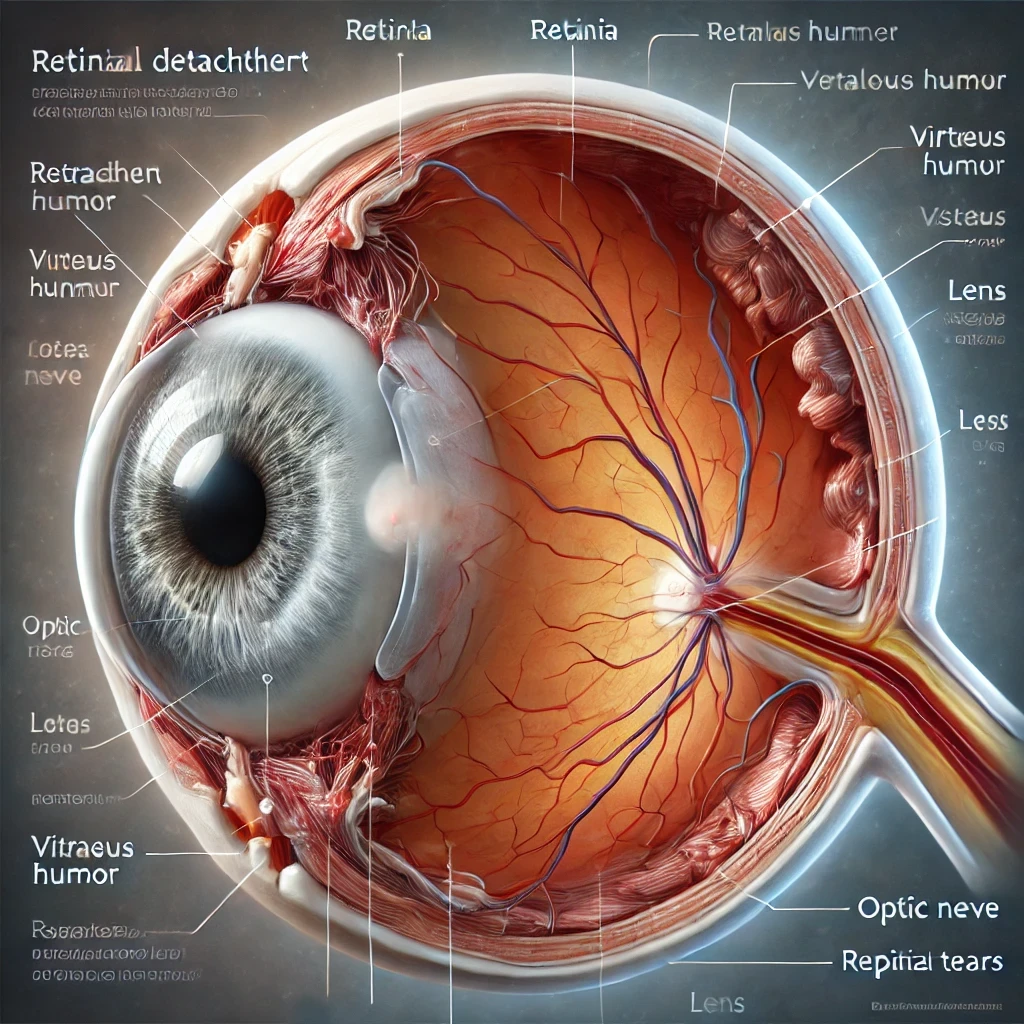
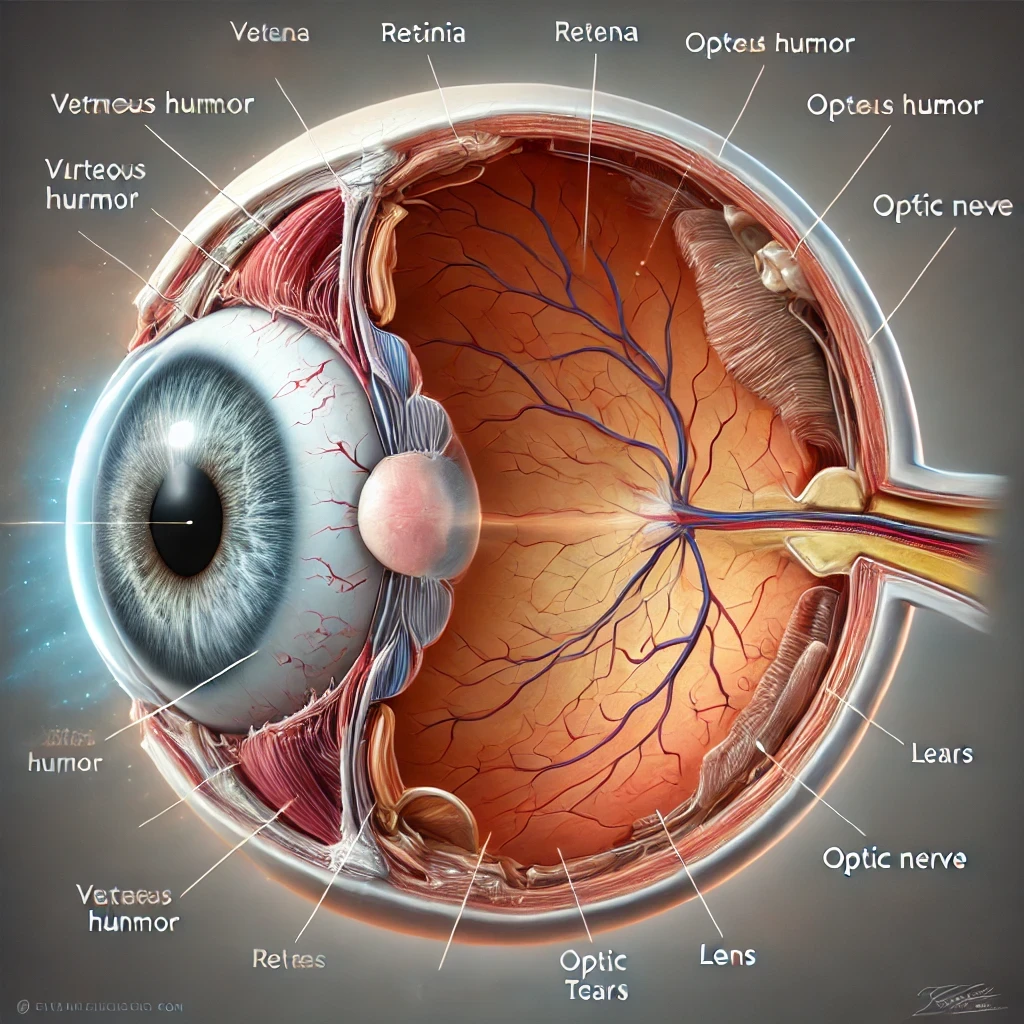
The retina is a thin, light-sensitive layer of nerve tissue that lines the back of the eye.
The retina captures light.
The retina turns light into electrical signals.
The optic nerve carries those signals to the brain, where the brain creates the images you see.
Healthy retinal tissue stays attached to the wall of the eye.
Retinal cells need a constant blood supply and support from the underlying tissue.
When the retina pulls away from that support layer, vision is at risk.
Retinal Tear vs Retinal Detachment
People often mix up the phrases retinal tear and retinal detachment.
They are related, but they are not the same.
What Is a Retinal Tear?
A retinal tear is a small rip or hole in the retina.
The tear usually forms when the gel inside the eye, called the vitreous, pulls too strongly on the retina as it shrinks or moves with age or trauma.
A retinal tear does not always mean the retina has detached.
However, a retinal tear can let fluid pass behind the retina.
When fluid tracks under the retina, the retina can detach from the back of the eye.
What Is a Retinal Detachment?
A retinal detachment happens when the retina lifts or peels away from the underlying layer of tissue.
Detached retina tissue loses its normal blood supply.
Detached retina tissue cannot process light properly.
Without prompt treatment, a detached retina can lead to permanent vision loss in the affected area.
Warning Signs and Symptoms of Retinal Tear and Detachment
Retinal problems often start suddenly.
Retinal symptoms should never be ignored.
Common warning signs include:
Flashes of Light
People describe seeing brief flashes, sparks or streaks of light, especially in dim rooms.
The brain perceives vitreous tugging on the retina as light.
Flashes are often most noticeable at the edge of vision.
New Floaters
Floaters are small dark spots, threads or cobweb-like shapes that drift across the field of vision.
Everyone has some floaters, but a sudden shower of new floaters can signal a retinal tear or bleeding inside the eye.
A Shadow, Curtain or Dark Patch
A larger retinal detachment can cause a shadow or curtain effect.
Vision may seem blocked from one side, from above, or from below.
As detachment spreads, the dark area can grow across the field of vision.
Blurred or Distorted Vision
Central vision may blur.
Straight lines may appear wavy or distorted.
Reading and detailed tasks can become difficult.
Any new flashes, sudden floaters, or a curtain over vision is an emergency.
People with these symptoms should seek urgent eye care immediately.
How Long Before Retinal Detachment Causes Blindness?
Retinal detachment can progress quickly.
The risk of permanent vision loss depends on:
- How much of the retina has detached.
- Whether the macula, the central area responsible for detailed vision, is still attached.
- How long the retina has been detached.
When the macula is still attached, doctors often call it a “macula-on” detachment.
When the macula is already off, they call it a “macula-off” detachment.
A macula-on detachment is a true emergency.
Fast surgery can protect central vision.
Delay can allow the macula to detach and lose function.
A macula-off detachment already involves central vision loss.
Surgery can often reattach the retina and improve vision, but full recovery is less likely.
Time matters.
Eyes with a short duration of detachment generally do better than eyes with weeks or months of detachment.
No one should wait to see if a detachment “gets better” on its own.
Can a Detached Retina or Retinal Tear Heal on Its Own?
Many people hope the problem will resolve without treatment.
This is understandable but dangerous.
Can a Detached Retina Heal Itself?
In almost all cases, a detached retina does not heal on its own.
Detached retina tissue usually stays detached or gets worse.
Fluid continues to collect under the retina, and more tissue can peel away.
Retinal detachment is a surgical problem.
Doctors use procedures to reattach the retina and seal tears, not eye drops or simple medicines.
For more background, see the National Eye Institute’s overview of retinal detachment.
Can a Retinal Tear Heal on Its Own?
A small retinal tear may sometimes form a thin seal of scar tissue around the edges.
However, no one can safely assume a tear is stable without treatment and monitoring.
A retinal tear can lead to detachment at any time.
Eye doctors often treat tears with laser or freezing (cryotherapy) to create a stronger seal and reduce the risk of detachment.
The safest path is simple:
- A specialist evaluates the tear.
- The specialist decides whether treatment is needed.
- The patient attends follow-up exams to monitor the retina.
Causes and Risk Factors for Retinal Detachment
Retinal detachment can happen to anyone, but some factors raise risk.
Age and Vitreous Changes
As people age, the vitreous gel in the eye shrinks and becomes more liquid.
The gel can pull away from the retina, creating a posterior vitreous detachment (PVD).
A PVD is common and often harmless, but in some cases it creates a retinal tear.
High Myopia (Strong Near-Sightedness)
People with high myopia often have longer eyes.
The retina is stretched over a larger surface area.
Thinner areas and lattice degeneration can make tears more likely.
Eye Trauma
Blows to the eye or head can create retinal tears and detachments.
Sports injuries, car accidents and falls can all damage the retina.
Previous Eye Surgery or Retinal Disease
Cataract surgery, retinal vein occlusions and other eye surgeries or conditions can increase risk.
Scar tissue inside the eye can also pull on the retina.
Family History and Genetic Factors
Some families have a higher rate of retinal problems.
Inherited retinal diseases and connective tissue conditions can weaken the retina or supporting structures.
How Retinal Detachment Is Treated
Eye doctors choose treatment based on the type, size and location of retinal damage.
Laser Treatment for Retinal Tears
For many retinal tears, doctors use laser photocoagulation.
The laser creates small burns around the tear.
Scar tissue from the burns welds the retina to the underlying tissue and helps prevent detachment.
Cryotherapy (Freezing Treatment)
In some cases, doctors use a freezing probe on the outside of the eye.
The cold passes through the wall of the eye and seals the tear from the outside.
Scleral Buckle Surgery
A scleral buckle is a small band that the surgeon places around the eye.
The band pushes the wall of the eye inward to relieve pulling on the retina.
The surgeon also drains fluid and treats tears with laser or cryotherapy.
Vitrectomy Surgery
In a vitrectomy, the surgeon removes the vitreous gel from inside the eye and replaces it with a clear fluid or gas bubble.
The gas bubble presses the retina back into place.
Over time, the body absorbs the gas and replaces it with natural eye fluid.
Pneumatic Retinopexy
In some detachments, the surgeon injects a small gas bubble into the eye without a full vitrectomy.
The bubble rises and presses the detached retina back against the eye wall.
Laser or cryotherapy seals the tear.
The choice of procedure depends on many factors.
The goal of every method is the same: reattach the retina and prevent further vision loss.
Healing and Recovery After Retinal Treatment
Healing after retinal surgery takes time.
The eye needs weeks to months to settle.
Typical recovery features include:
- Blurred vision for days or weeks.
- Sensitivity to light.
- Some discomfort or foreign body sensation.
If a gas bubble is present:
- Patients may need to position their head in a specific way for several days.
- Patients cannot travel by air or go to high altitude until the gas bubble is gone.
- Doctors give clear instructions about activity limits.
Vision outcomes vary.
Some patients recover excellent vision.
Others remain with permanent blind spots or reduced clarity, especially if the macula was detached for a long time.
Follow-up visits are crucial.
Eye doctors check that the retina stays attached and look for new tears or complications.
Can You Prevent Retinal Detachment?
Not every detachment can be prevented, but people can lower risk.
Steps that support eye health include:
- Regular dilated eye exams, especially for people with high myopia or family history.
- Prompt attention to new flashes, floaters or shadows.
- Eye protection during sports and high-risk activities.
- Managing conditions like high blood pressure and diabetes that affect blood vessels in the eye.
Some people ask how to prevent retinal detachment naturally or how to increase retinal thickness naturally.
Healthy lifestyle choices support the eyes, but they do not replace proper medical evaluation.
No supplement or exercise can reliably seal a retinal tear or reattach a detached retina.
When Should You See a Retina Specialist?
A retina specialist is an ophthalmologist with advanced training in diseases and surgery of the retina and vitreous.
People should see a retina specialist urgently if they notice:
- Sudden flashes of light.
- A shower of new floaters.
- A curtain, veil or shadow over part of the vision.
- Sudden loss or distortion of central vision.
People with a history of retinal tears, trauma, or strong family history may also be referred to a retina specialist for close monitoring.
A retina specialist examines the back of the eye in detail.
The specialist explains the findings.
The specialist recommends observation, laser treatment or surgery, depending on the situation.
Key Takeaways
Retinal tears and retinal detachment are serious conditions.
Early symptoms often include flashes, floaters and shadows.
Ignoring these signs can lead to permanent vision loss.
A detached retina almost never heals on its own.
Retinal tears require evaluation and often require treatment.
Modern retinal surgery can save sight in many cases, especially when done quickly.
If you ever suspect a retinal problem, seek urgent eye care.
Quick action can make the difference between stable vision and life-long vision loss.
Go Back To Retina Central